Natural Dye Textile Design & Sustainable Fashion for Entrepreneurship
ColorAshram to Launch this course at Queens School of Design
Level 1 of a four-level learning journey addresses a long-standing gap in Indian textile and fashion education, arriving as Indian consumers show unprecedented readiness for sustainable fashion
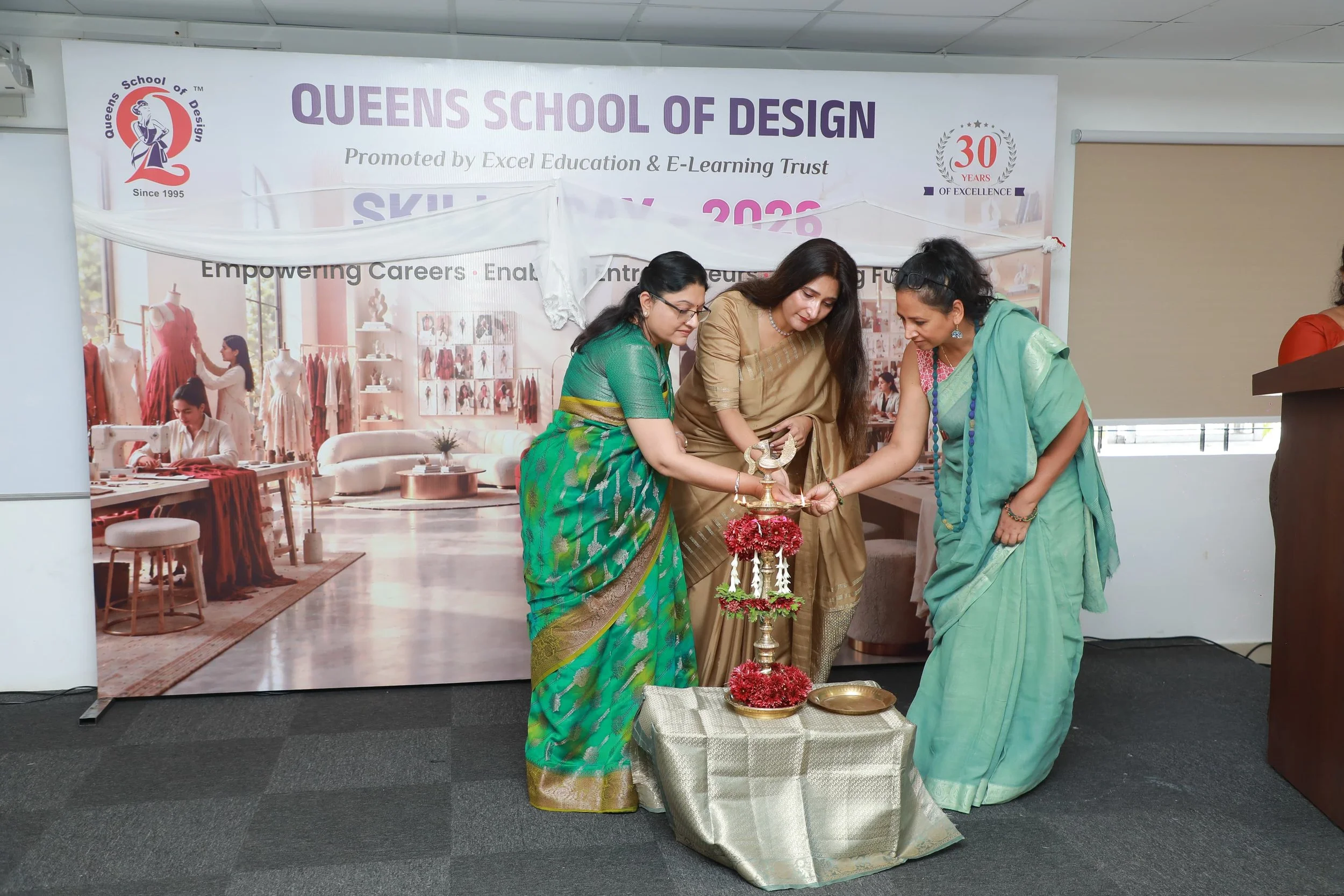
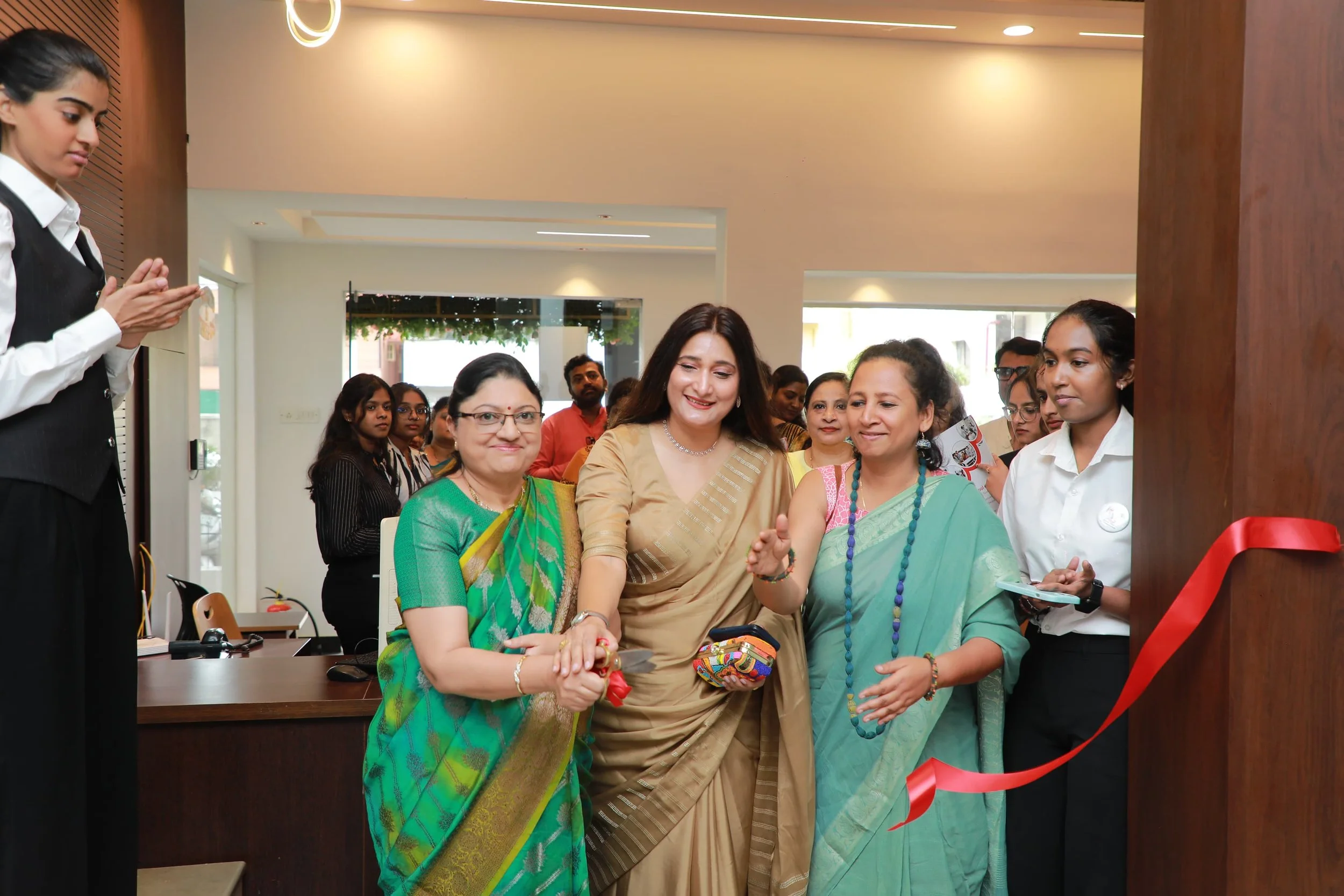
MYSORE, INDIA — ColorAshram, a Mysore-based natural colour academy known for pioneering scalable, patented natural dye technology, will launch Level 1 of its Natural Dye Textile Design & Sustainable Fashion for Entrepreneurship course at Queens School of Design. The beginner-level course, structured across twelve weekends, is the first of four progressive levels designed to take a learner from foundational natural dyeing knowledge all the way to launching a sustainable textile or fashion business.
The course is open to students, sabbatical professionals looking for a career change, curious educators, sustainable practitioners, and conscious consumers of all ages who want to engage seriously with sustainable fashion as a discipline with real technical, historical, and commercial depth.
Addressing a gap in the curriculum
The course was conceived in response to a persistent shortfall in Indian textile and fashion education: the absence of learning resources that connect the history, chemistry, environmental impact, and practical commercial application of natural dyeing into a single, coherent journey. Sustainability has become a constant theme in fashion discourse, yet in most classrooms it remains abstract. Students engage with the idea of sustainable dyeing far more often than its practice. ColorAshram's course combines rigorous, practice-based learning with the spirit of inquiry, visual storytelling and hands-on demonstration, meeting a generation of learners that increasingly expects education to be as immersive as the media it consumes.
Level 1 begins deliberately with the learner. Sessions open with self-reflection on motivation, fears, and purpose before building into the technical core: natural colour chemistry, fabric and material sustainability, introduction to dyeing and printing techniques including eco-printing, draping, zero-waste pattern making, upcycling and waste management, circular design, and the business fundamentals of sales, marketing, and confronting greenwashing head-on. Participants leave having developed one natural dye skill in depth and carried an idea through to development of one product.
The programme is designed to mature over three further levels: an internship at a live production setup, a final course culminating in a business-plan review and ColorAshram's Natural Color Festival, and a concluding stage focused on bringing a sustainable product to market by pitching the business plan to potential funders. The design reflects ColorAshram's conviction that, in its words, "without market linkages, any product idea is incomplete."
Why now
The launch arrives as market and consumer signals for sustainable fashion in India have shifted decisively. Nearly half of Indian Gen Z consumers (47.5%) now say they are willing to pay a premium for brands with genuine sustainable practices, part of a broader global trend in which 73% of Gen Z shoppers expect to spend more on sustainability. Millennials and Gen Z already account for 40% of India's e-retail shoppers and are up to four times more active on social commerce than older generations. India's sustainable apparel market has been growing at roughly 20% annually, while the country's textile dyes market — valued at approximately $720 million in 2025 and projected to reach $1.29 billion by 2035, counts natural dyes as its fastest-growing segment, with eco-friendly dyes expected to approach 30% of total market share by 2026. Consumers, researchers note, are also growing more skeptical of unsubstantiated sustainability claims, demanding that brands prove their impact rather than simply assert it.
"The real roadblock to natural dyes becoming the norm was never technology. It is a mindset shift issue with the industry, makers, design colleges and consumer awareness. That shift and awareness is catching up fast," said Namrata Bhutoria, Co-Founder of ColorAshram. "This course exists so that the people meeting that demand actually know what they're doing technically, ethically, and commercially."
“We hope to meet people where they are”
About ColorAshram
Founded in 2019 by Namrata Bhutoria and Arun Baid, ColorAshram is a natural colour academy based in Mysore, India, specializing in the application of natural dyes at true industrial scale through patented, standardized technology. ColorAshram serves as a launchpad for sustainable fashion and textile brands and trains conventional dyeing businesses in transitioning to natural colour processes. Since its founding, ColorAshram has trained more than 1,000 solo learners and another 1,000 through group programmes and festivals, sold over 700 garments under its test brand, Biome Conscious Fashion, each estimated to save 2,500 litres of drinking water compared to conventional dyeing, and sold roughly 1,000 natural-dyed accessories and 500 dye kits, together accounting for an estimated 17 lakh litres of water saved. ColorAshram has represented natural dye innovation on international platforms including ITMA, in Milan and Future Fabrics Expo, twice in London. The team was also invited to China to explore a distributorship partnership for natural dyes. Arun’s team has worked diligently on industrial application across companies like Decathlon, Victoria Secrets, IndoCount, Trident, Taj Spa to name a few.
Learn more at www.colorashram.com.
Sources: First Resort — Gen Z & Millennial Indian Fashion Spending 2026, Market Research Future — India Textile Dyes Market, LocalSamosa — Sustainable Fashion in Indian Style 2025, ColorAshram — Natural Colors, ColorAshram — Color Revolution