Learning resources
What we learn from, shared. Some of it is free to watch now; the rest are books we suggest you read.
Understanding Colours
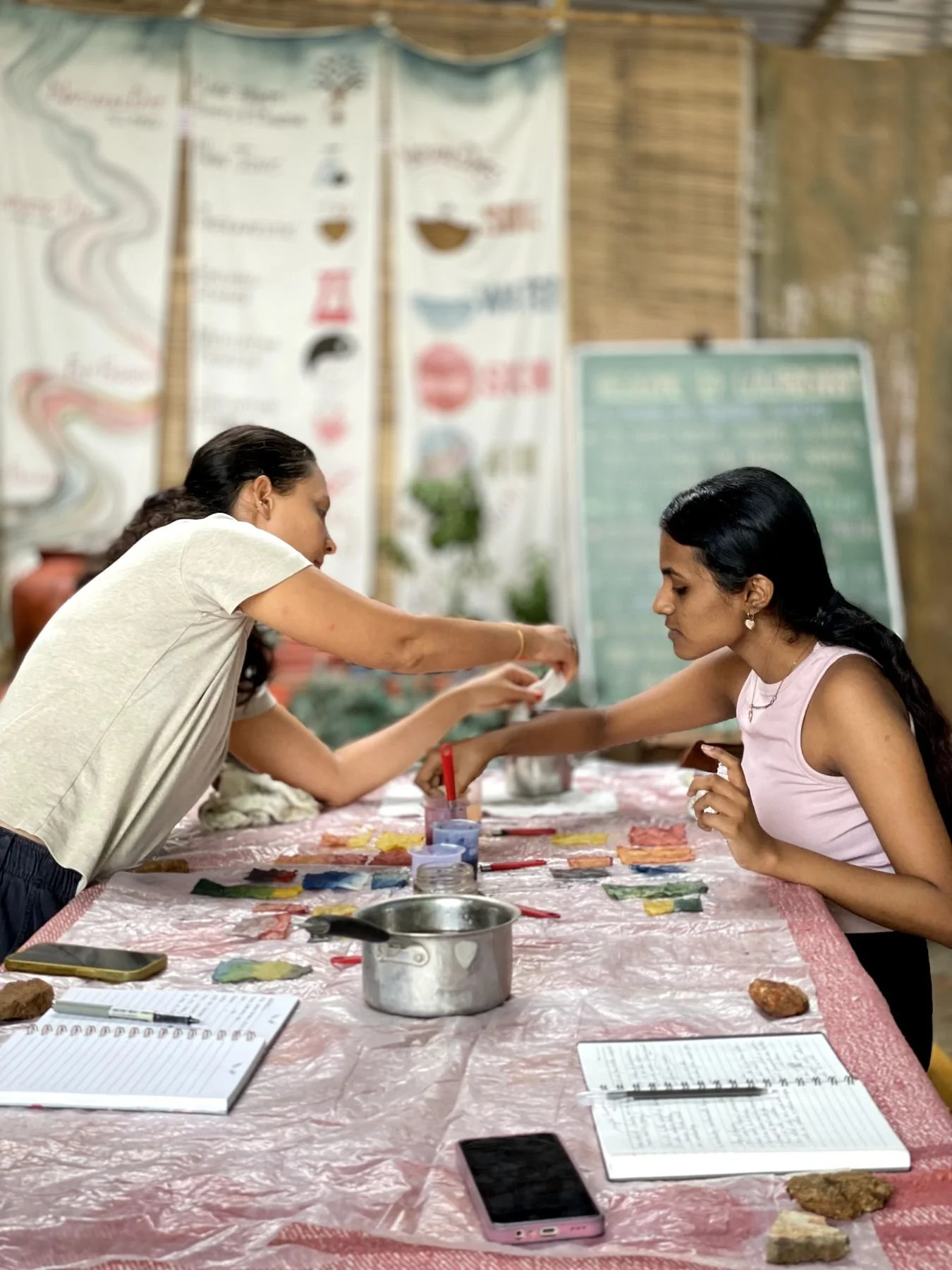
Five short films that play one after another. Made by Namrata Bhutoria under the Impart + Nalli Fellowship 2024–25, with Arun Baid, after research with more than 15 natural dye and sustainable textile practitioners and professors. Each film ends with a QR code to a short multiple-choice self-check, so you can see where you stand on sustainability after watching.
Why Namrata made the course
“Indian natural dyeing is a profound cultural practice with significant potential for promoting sustainability and ethical consumption in textiles. Despite its importance, there is a gap in understanding and collaboration among the many people involved: artists, designers, artisans, brands, labourers and consumers. I want to close these gaps by building empathetic relationships, rethinking how knowledge is shared and produced, and looking hard at sustainability in the context of fast fashion and fair distribution of resources.
My project is a free, online, DIY beginner’s course that introduces students and curious citizens to the principles of sustainable dyeing and fashion practised in India, which can be revived or inspire new uses today. It offers a basic understanding of sustainability through a scientific and historical lens, with hands-on DIY learning, so students explore eco-friendly practices and trace the philosophy of a movement that is kind to people and planet.”
Read these next
Not free, and not about dye, but they explain why we do what we do. See our full list of books, videos and articles.
Less Is More
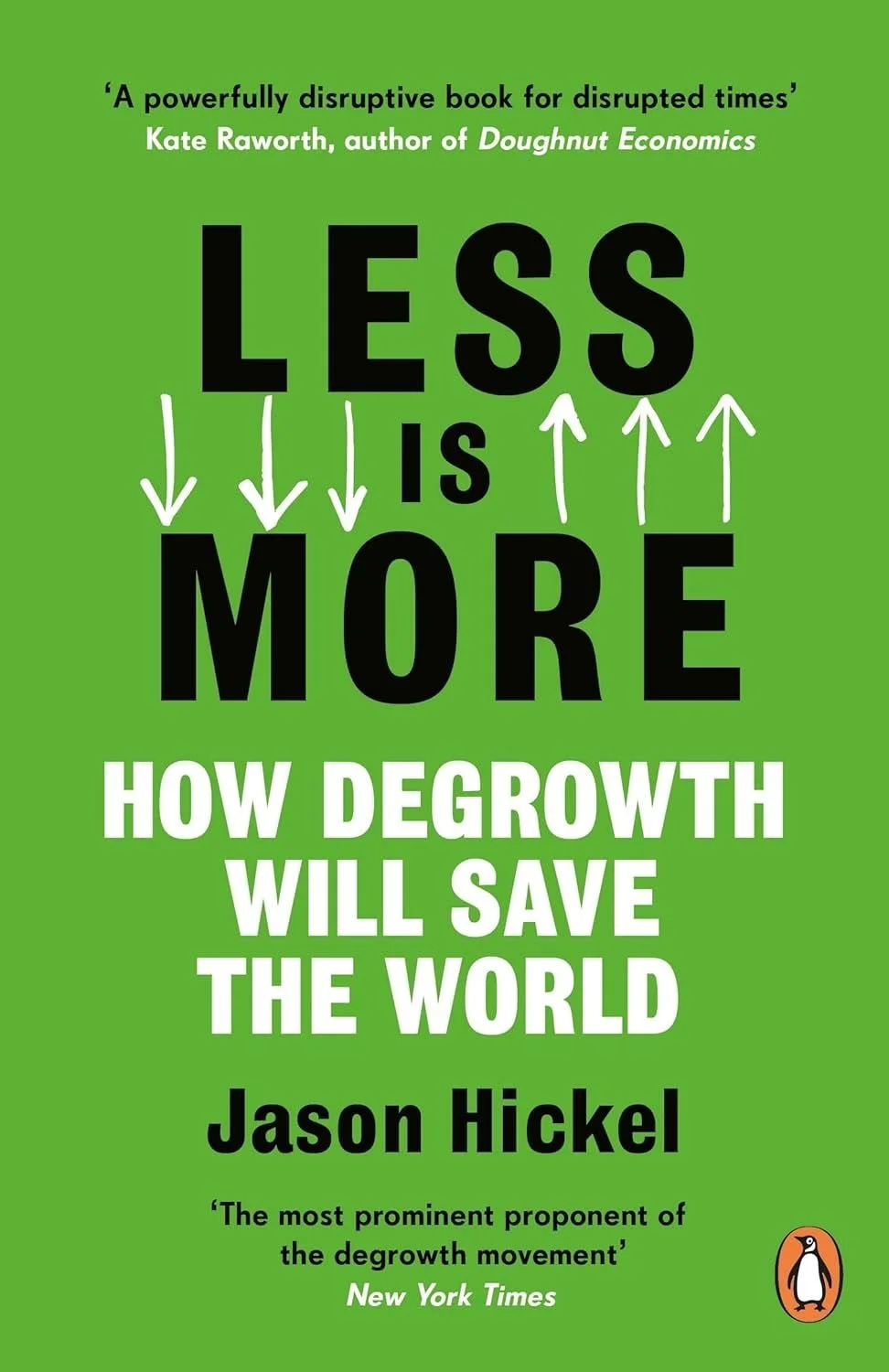
How Degrowth Will Save the Worldby Jason Hickel · 2020Why endless growth is wrecking the planet, and how an economy built on enough could let people and nature thrive.
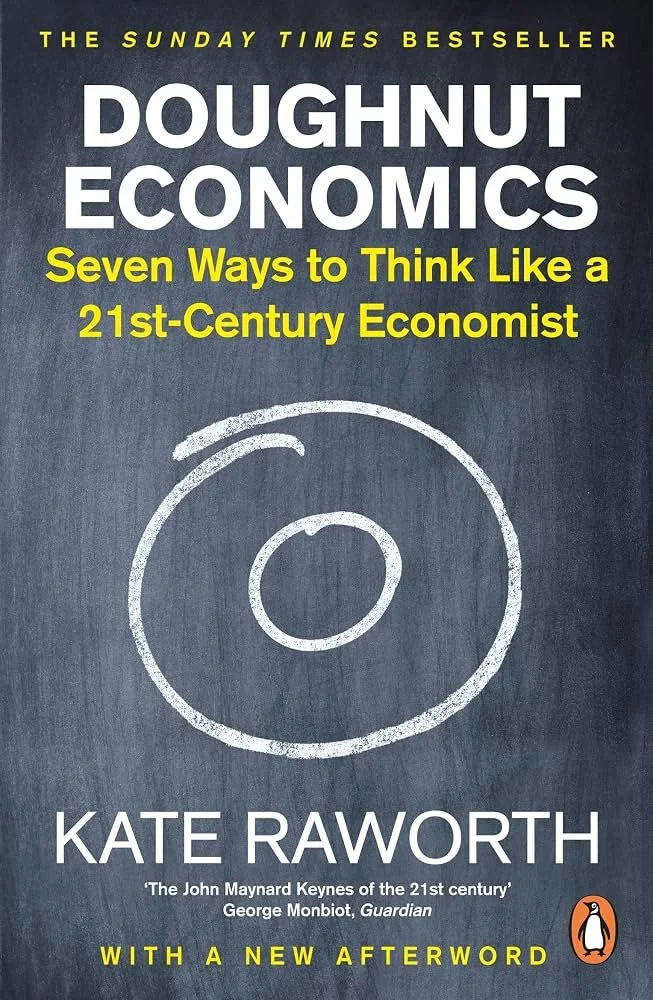
Doughnut Economics
Seven Ways to Think Like a 21st-Century Economistby Kate Raworth · 2017An economy that meets everyone’s needs without overshooting what the planet can give, drawn as a doughnut.
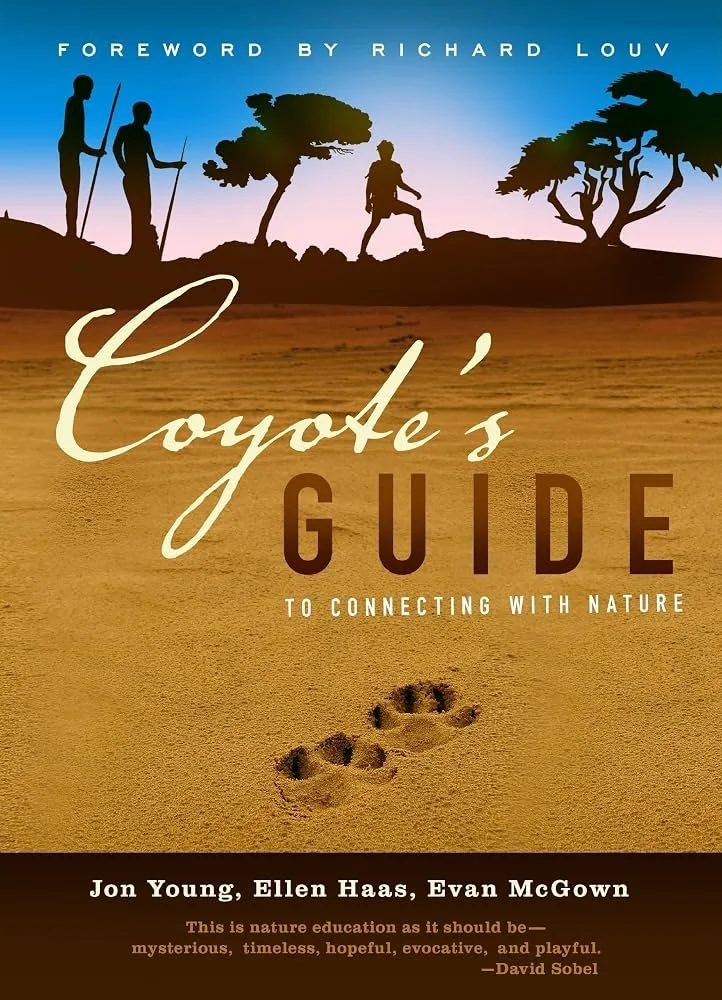
Coyote’s Guide to Connecting with Nature
Second editionby Jon Young, Ellen Haas and Evan McGownA field guide to building a deep, everyday connection with nature, through routines, stories and questions.