Our story
Namrata Bhutoria and Arun Baid have worked together since 2012. In 2019 they started ColorAshram, because natural dyeing was taught nowhere in a structured way, and the old methods couldn’t scale or be standardised. With full respect for handicraft, they set out to make the learning accessible, contemporary and progressive.
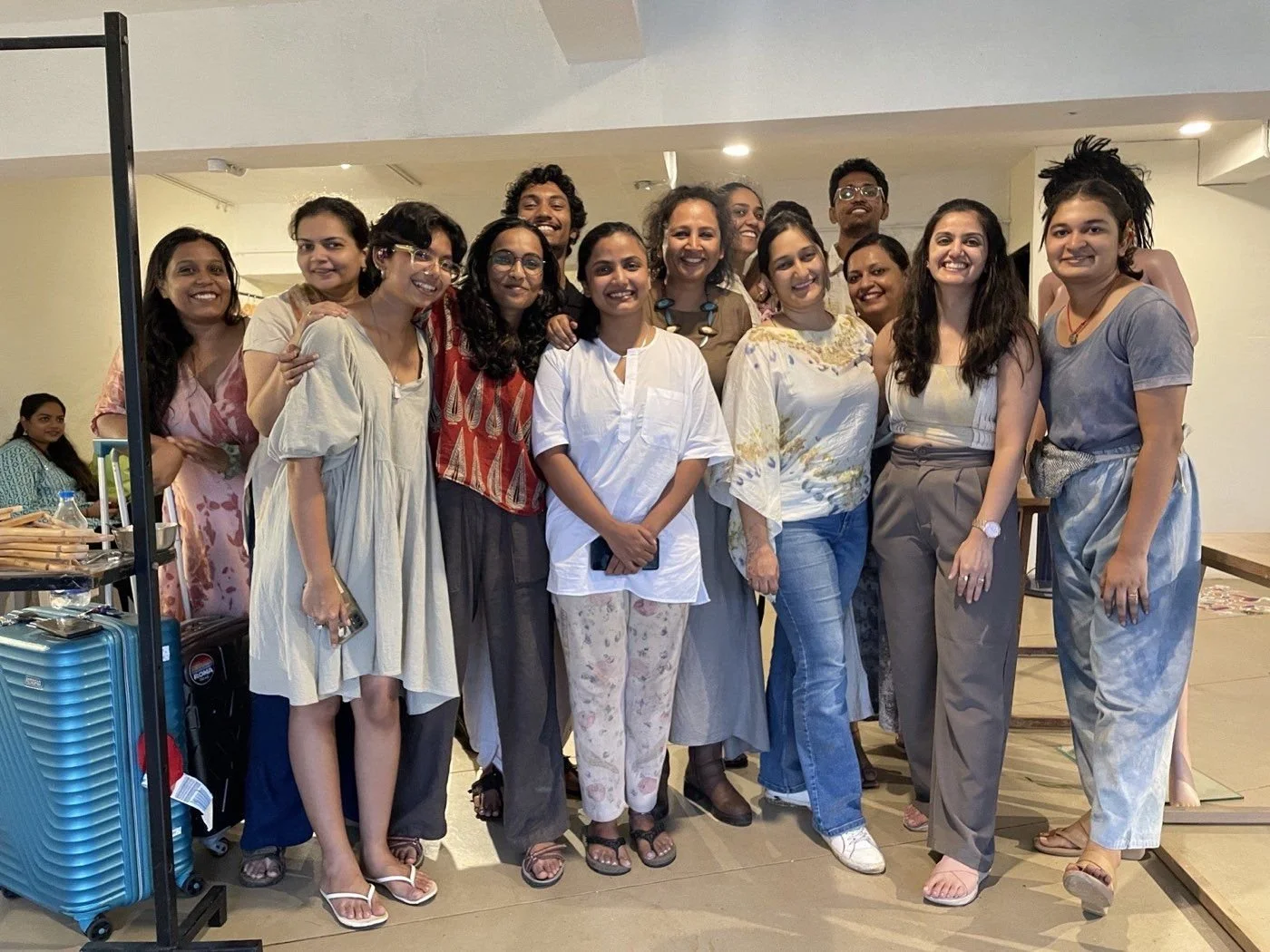
Meet the team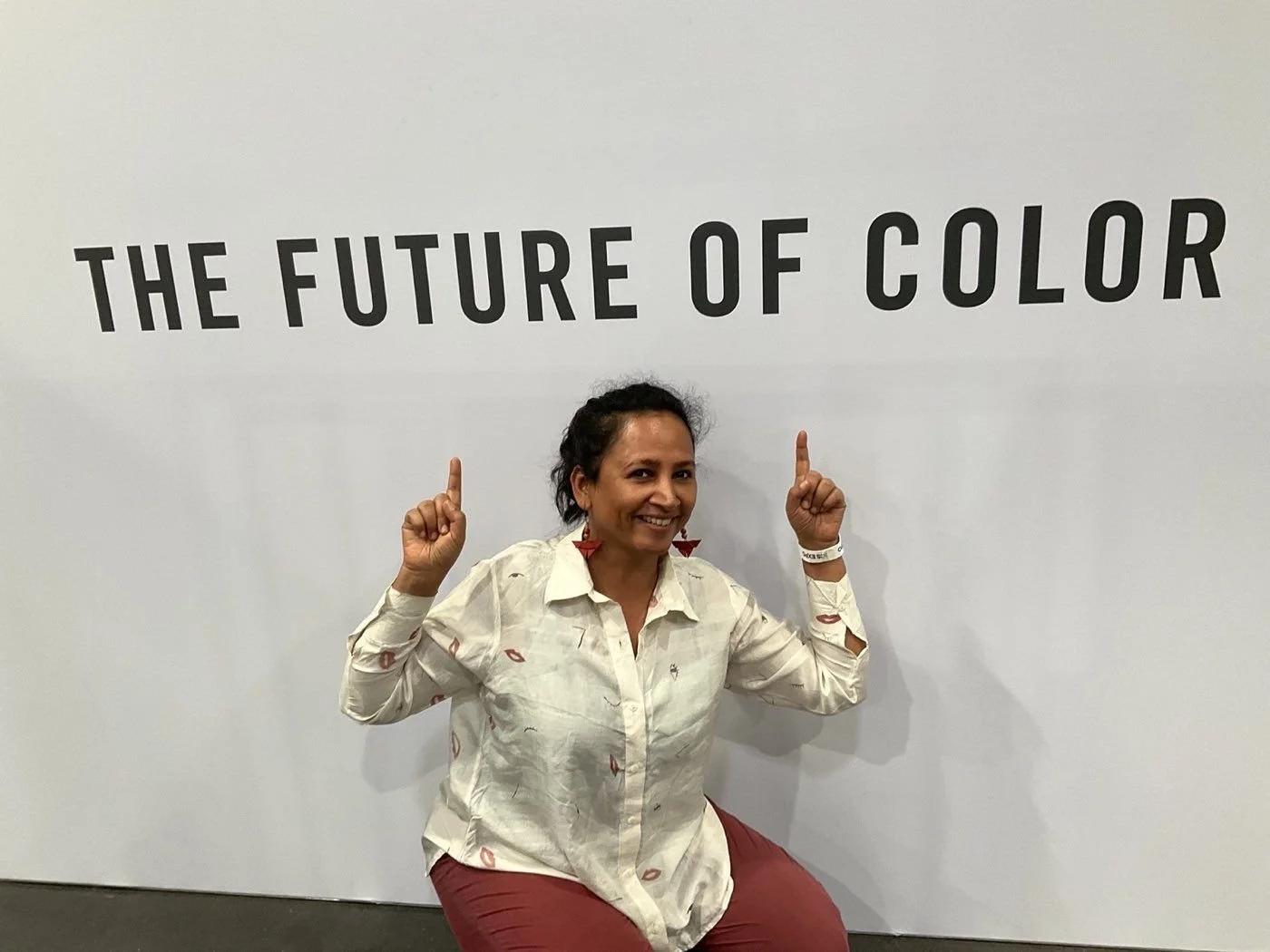
Timeline
Arun sees what synthetic dyes do to water. From 2002, natural dyes at industrial scale.
There is no Planet B
- 01Embracenaturally dyed clothing as a whole answer to the water and soil pollution fashion causes.
- 02Endorsenatural dye brands, so communities of conscious buyers survive and thrive.
- 03Enablestrong collective voices to demand natural dyes in the mainstream textile industry.
- 04Empowerpresent and future generations to see through greenwashing and reject misleading claims.
This is not a war against synthetic colour. It is about giving everyone a real, workable alternative.
A letter from Namrata
Colour has recorded the history of humankind. Today most of it comes from petrochemicals that never degrade. Namrata writes on why that has to change.
Read the full letter
Since the dawn of human civilisation, colour has been a powerful force in how we describe and interact with the world. From early pigments drawn from the earth to the vibrant hues of the textile crafts of the Indian subcontinent, colour has recorded the history of humankind. With modern science, that story took a darker turn: many of the dyes used in fashion and textiles today come from petrochemicals, vibrant but highly toxic materials that never degrade.
The need for change
Fast fashion demands high performance and colour, using toxic, non-biodegradable chemicals that leave a lasting mark on the ecosystems future generations will inherit. Conversations about fast fashion have drawn attention to unethical labour and waste, but the unregulated use of toxic chemicals in textiles is still under-discussed.
Vision
I co-founded the ColorAshram Foundation as a safe haven that works to transform this toxic reality through innovation, consulting and training in natural colour, from hobby to professional scale. My vision is a community of leaders, and a change of mindset that challenges designers, consumers and industries to rethink colour and sustainability. ColorAshram wants to be the infrastructure where the language of natural dye gets built, meeting people where they are.
What we already do
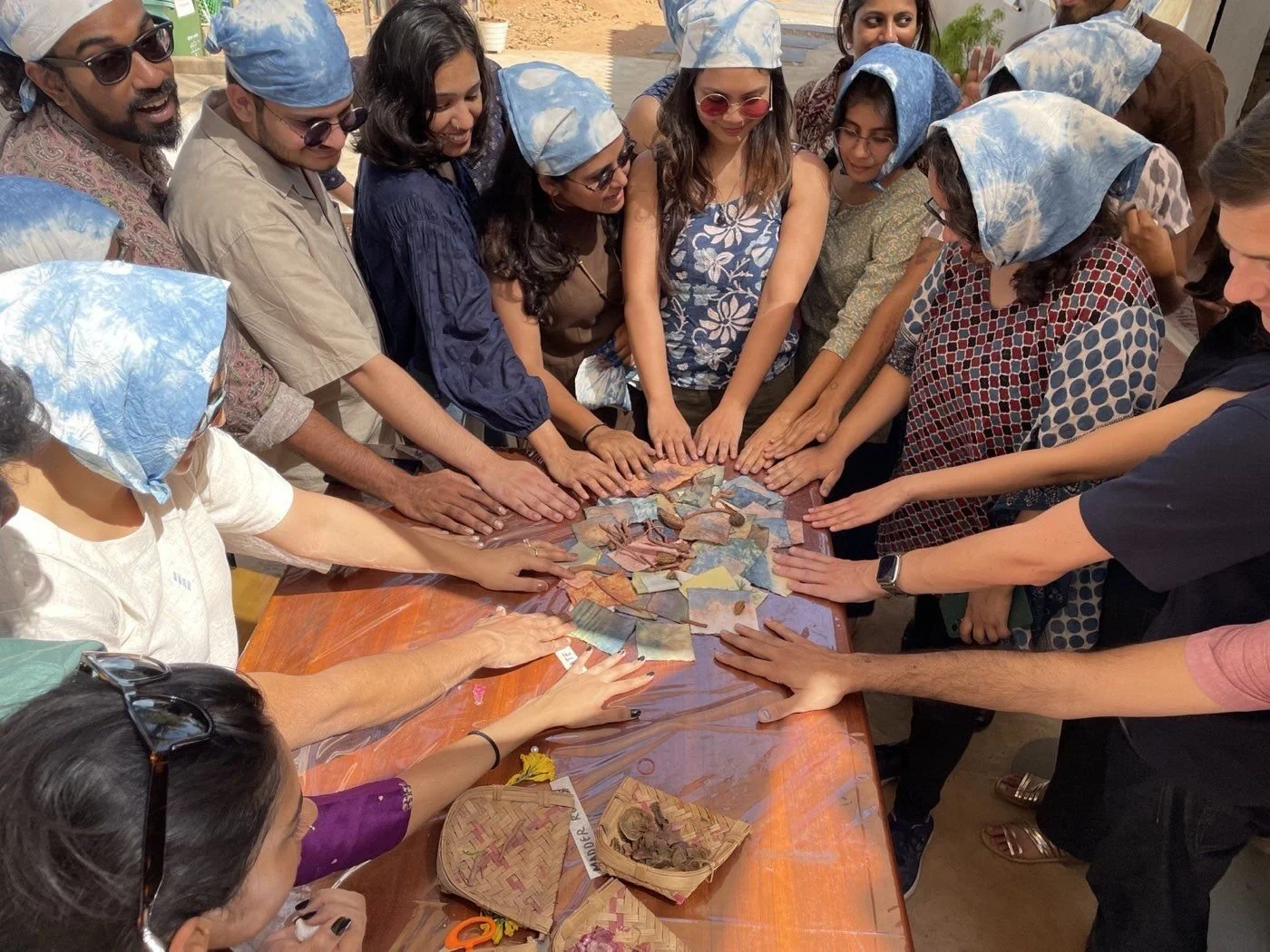
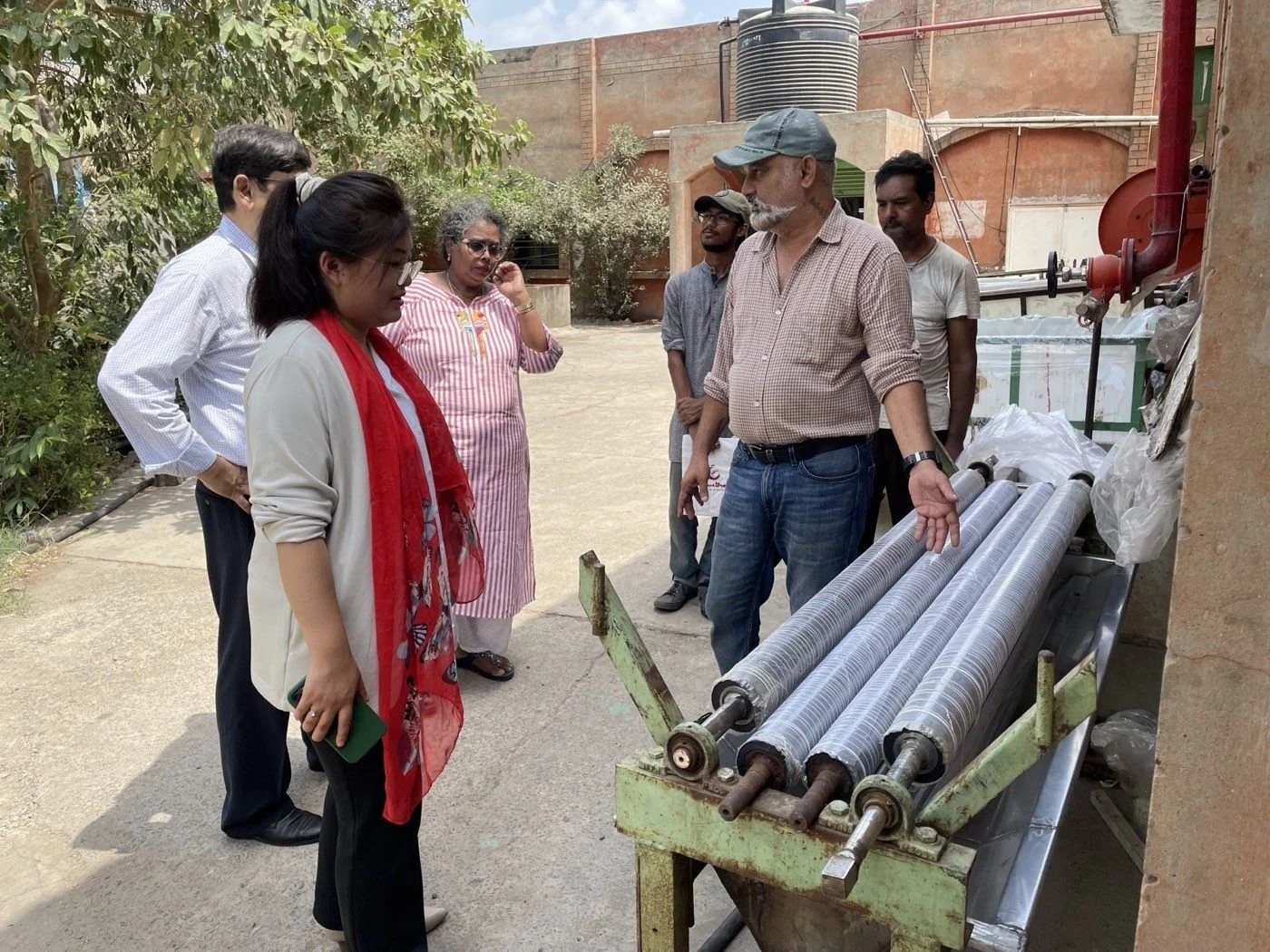
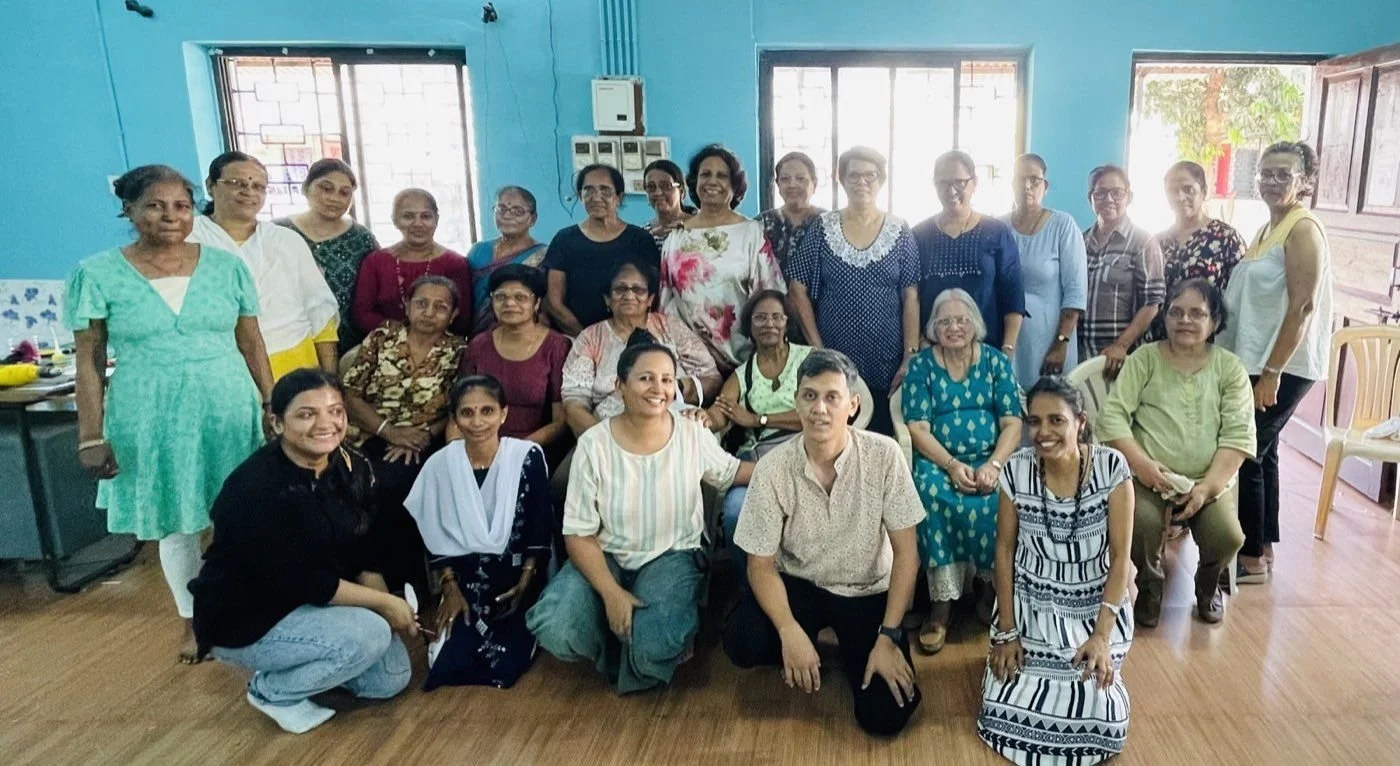
With more than two decades of applying natural dyes at every scale of production, we have honed techniques that suit modern pace, machinery and processes. Through ColorAshram I have run more than 50 internship programmes for textile and fashion design students, and trained more than 2,000 enthusiasts from many disciplines who want to start natural dye brands. Few institutions offer them rigorous, commercially viable training, so I built the content for a beginner’s course, followed by intermediate and advanced courses in entrepreneurship, small production units and designing in the language of natural dye.
The minimum institutional skeleton is a steward, a registry and a way of handling alleged violations. We can keep it small, but it can’t be zero.