
Why natural dye now
Most of the colour in our clothes is made from petrochemicals. Natural dye is the old alternative, made workable for today.
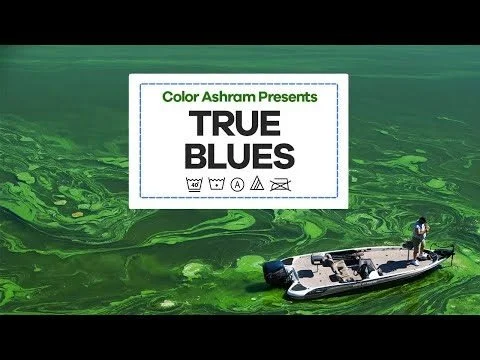
What synthetic colour costs
of global industrial water pollution comes from textile dyeing and finishing.
Source: UN Environment Programmeof the textiles made today are naturally dyed. Most colour in our clothes comes from petroleum.
Namrata Bhutoria, co-founderNatural dye, made workable for today
Standardised, so it repeats.
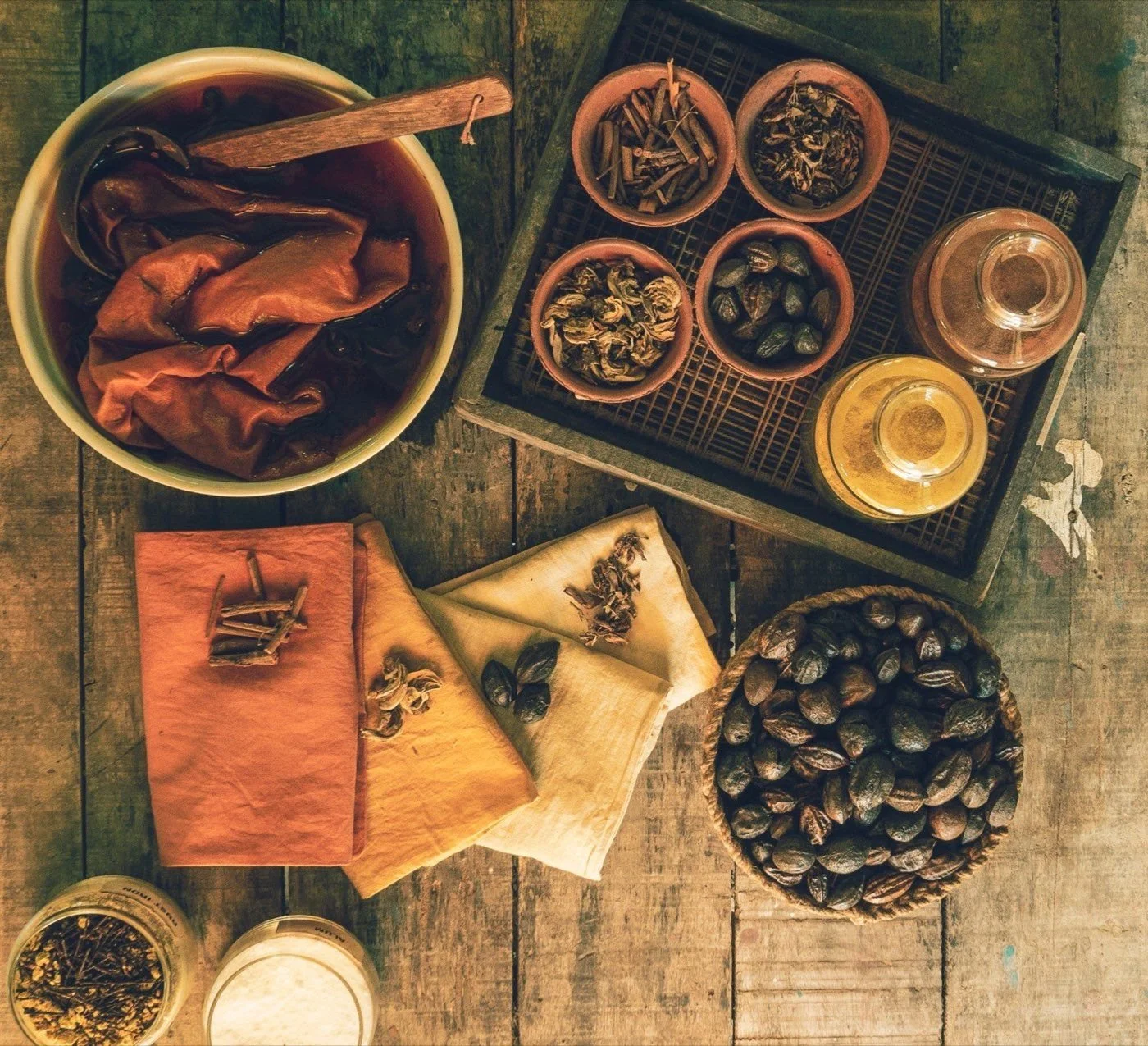
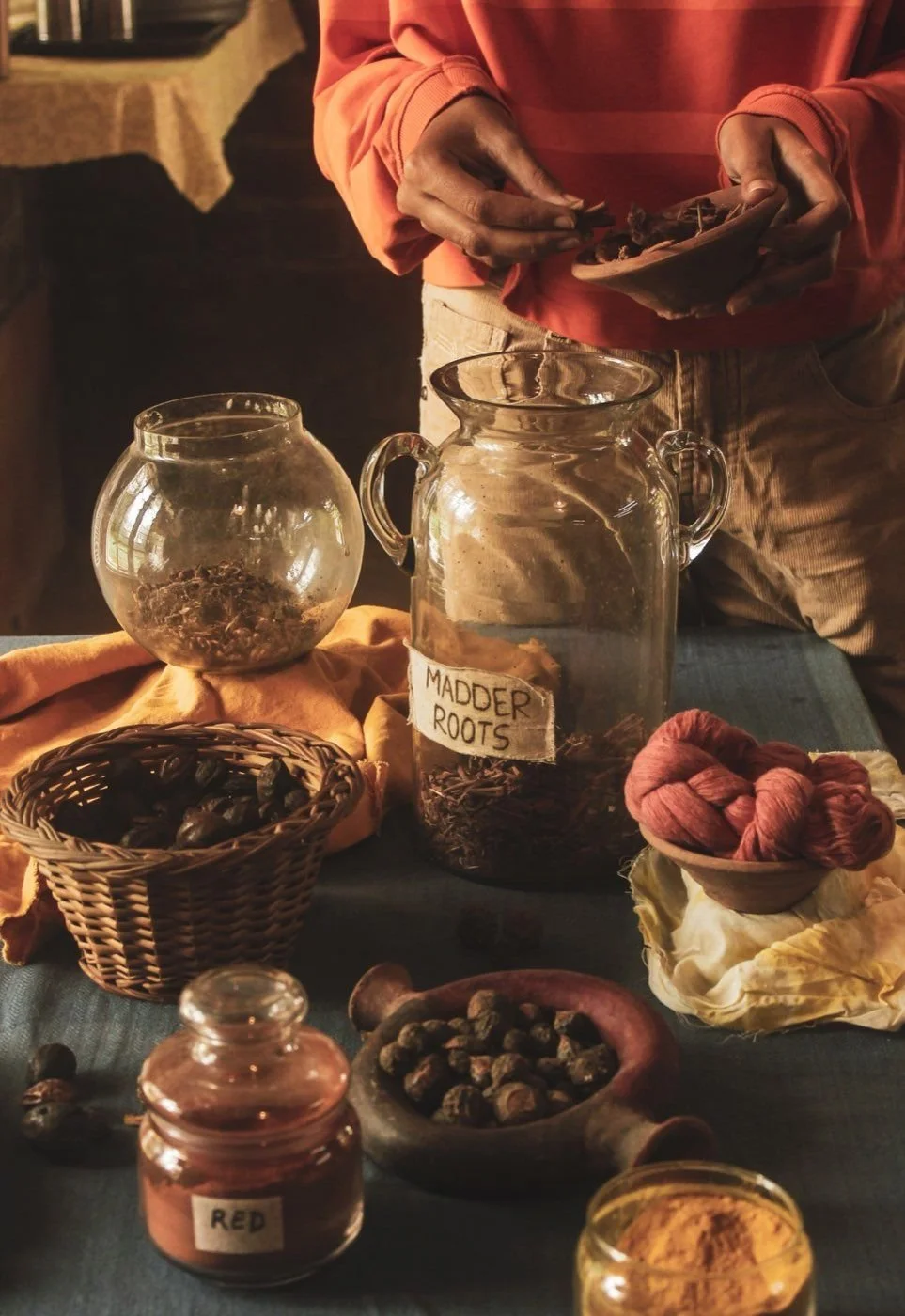
Plant dyes and mordant combined to a set recipe, developed by our co-founder Arun Baid, so the same colour comes out again.
Fast enough to use.
One Step Natural Dyeing needs no extracting, no mordanting and no boiling. Our natural indigo vat is ready in about two hours.
From a pot to a machine.
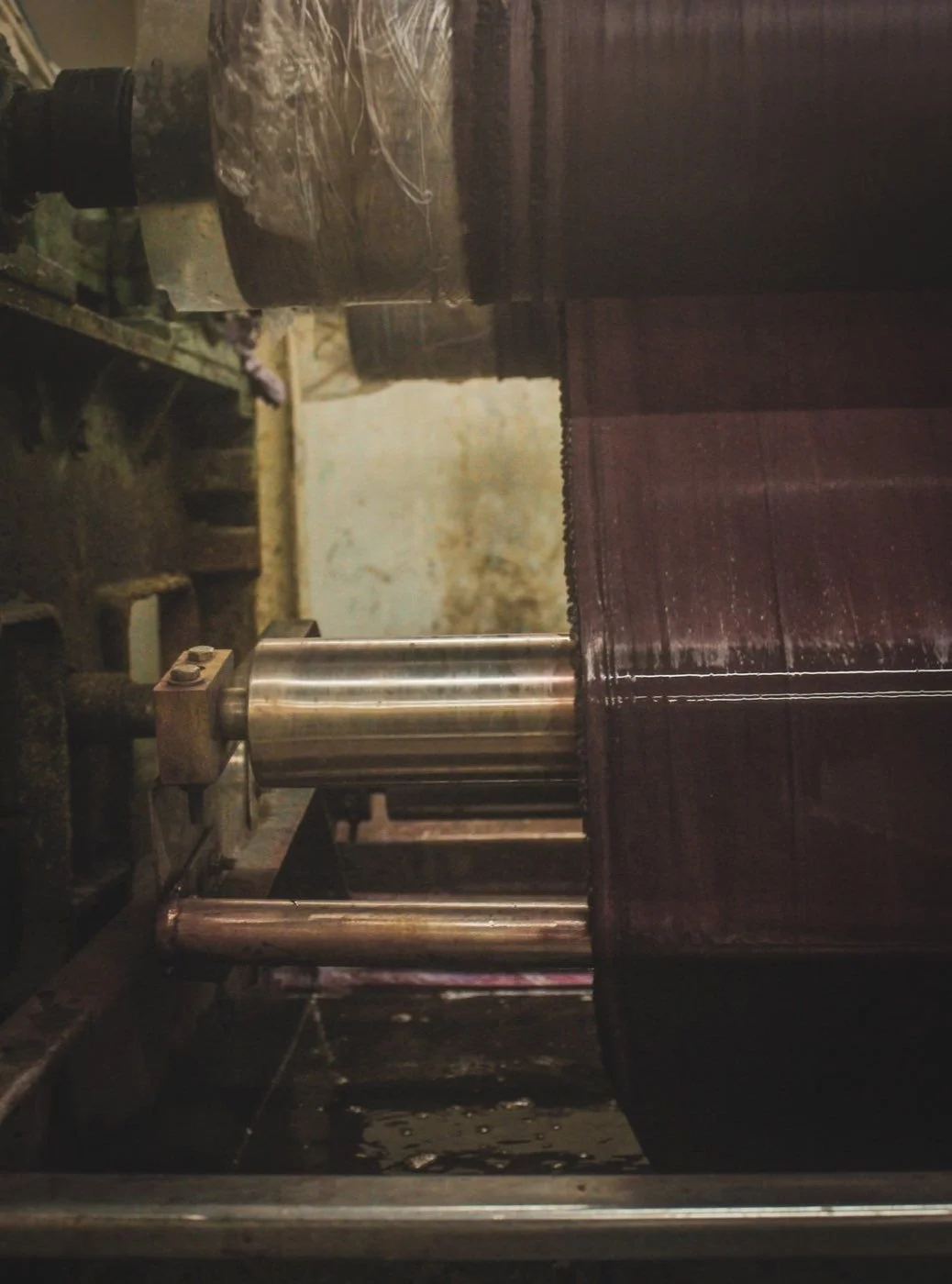
The same dyes are used by our partner Truetone Ink on the machines textile units already run.
Colour that lasts.
Well-dyed fabric lasts about 20 washes when the care is followed.
What natural dye changes
The impact of switching, from the river to the person wearing the cloth.
Cleaner rivers
Plant dyes and mild mineral mordants leave no toxic effluent behind, so less poison reaches borewells, rivers and fields.
Waste that returns to the earth
Spent dye material is plant matter. It can be composted instead of dumped.
Safer to wear
No petrochemical dyes or heavy metals against your skin, or a baby’s.
Safer work, fairer livelihoods
Dyers work without hazardous chemicals, and farmers who grow dye plants gain a market.
Proven in industry
Through Truetone Ink, over 4 million metres of fabric have been naturally dyed for more than 500 brands.


Less, but better: degrowth
Switching dyes is not enough if we keep making and buying more and more. We believe in degrowth: an economy that meets everyone’s needs within the limits of the planet, instead of chasing endless growth. For us that means fewer, better clothes, dyed to last and cared for, and work that values people and nature over volume.
Two voices that shaped how we think: the Accidental Gods podcast, and the idea of Thrutopia, stories that show a way through to a future worth living in.
Books we suggestThree books to start with
What drives our co-founder
Namrata’s key concerns about the way we address climate change, pollution and environmental damage.
- Living systems are complex. Rockets are complicated. We need to appreciate how connected we are to systems inside and outside the human world.
- Think systems change. Individual change alone isn’t enough, given where the environment stands in 2026. We call for collective action.
- Head, then heart. How do we reach a point where we don’t make hazardous things, so we don’t need to legislate against them? Do all your analysis with the head, then get up and move with the flow of the heart.
- Healing is constant work. Mental health and fear need continual care. Our job is to heal intergenerational trauma, to thaw what’s frozen, and to be in flow with every part of ourselves and of life.
- Understand scale. Some things are fine at a small scale but toxic at a large one, like copper sulphate in natural dyes. And when 100 people die or a million die, we don’t feel 100 times the grief. The head shouldn’t take over; the heart should let the head do the work, and navigate.
- Bridge the Global North and South. Conventional manufacturing works because its language is shared: a techpack is a lingua franca, and QC protocols are agreed. A buyer in Stockholm, a merchandiser in Tirupur and a machine operator in Dhaka all know what a 200 GSM jersey with 2% spandex in a given Pantone means. Sustainability has no such shared language yet. Its questions (what material, from where, made by whom and how, travelling how far, decomposing how, replacing what, displacing whose job) aren’t technical specifications. They are value judgments dressed as specifications, and value judgments can’t travel through a techpack.